

You’re standing in the paint aisle at your local Calgary hardware store, staring at brushes and rollers, wondering which one will give you that flawless finish you’ve seen on home renovation shows. Interior house painting seems straightforward enough—until you realize there’s actually a right tool for the job, and choosing wrong could mean hours of frustration and a finish that looks, well, amateur. So is it better to brush or roll paint? The answer might surprise you: you need both.
Key Takeaways
-
Brushes work best for cutting in edges, trim, corners, and detailed areas where precision matters
-
Rollers cover large, flat surfaces like walls and ceilings faster and more evenly
-
Using the wrong tool for the task creates visible texture differences and uneven coverage
-
Most DIY painters underestimate the skill required to achieve a seamless, professional finish
-
A professional house painter uses specialized techniques that take years to develop
Why This Question Matters More Than You Think
When Calgary homeowners ask is it better to brush or roll paint, they’re really asking a deeper question: Can I do this myself and get results I’ll be proud of?
Here’s the honest truth. Both brushes and rollers have specific purposes, and understanding when to use each determines whether your interior house painting project looks professional or patchy.
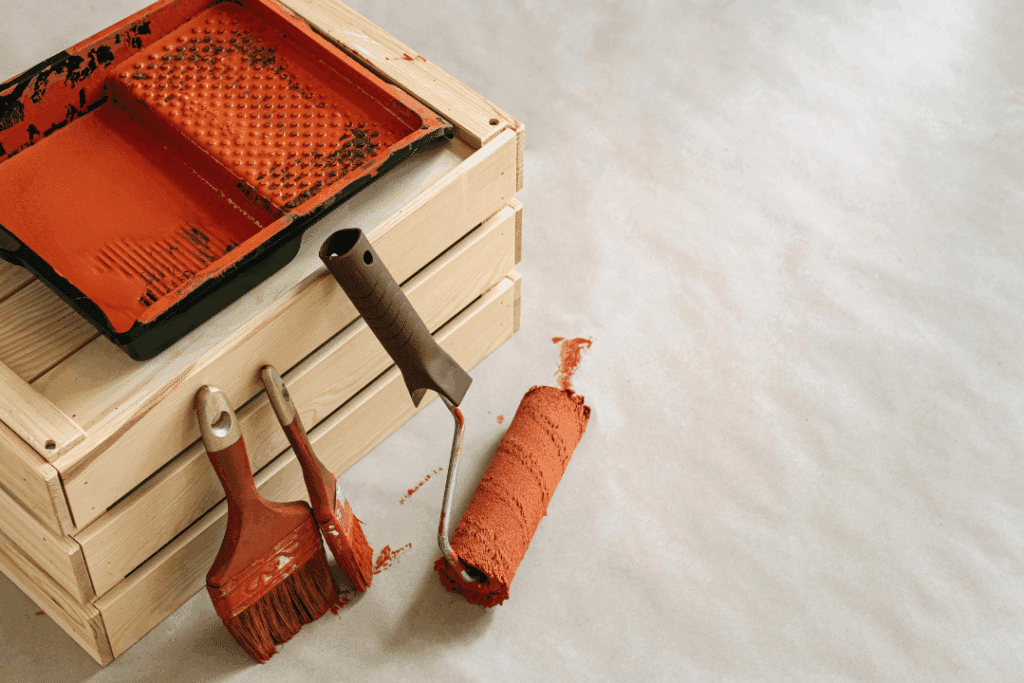
Brushes excel at precision work. They allow you to cut in along ceilings, around door frames, and into corners where rollers simply cannot reach. A quality angled brush gives you control over paint application in tight spaces.
Rollers, on the other hand, are built for efficiency on large surfaces. They hold more paint than brushes, cover walls faster, and create a consistent texture across broad areas. When you’re learning how to paint interior walls properly, you’ll quickly discover that rollers are non-negotiable for wall surfaces.
The Real Challenge: Making Brush and Roller Work Together
Here’s where most interior house painting projects fall apart.
Getting brush strokes to blend seamlessly with roller coverage requires technique. When you brush or roll interior paint Calgary homeowners often notice a visible line where the brushed edges meet the rolled sections. This happens because:
-
Brushes and rollers leave different textures
-
Paint dries at different rates depending on application thickness
-
Technique inconsistencies create lap marks and visible seams
The best way to paint interior walls involves working in sections, maintaining a wet edge, and blending brushwork into rolled areas before the paint starts to dry. This timing is tricky. In Calgary’s varying humidity levels, especially during our dry winters, paint can dry faster than you expect. Understanding is it better to brush or roll paint for each specific area becomes second nature for experienced painters.
Breaking Down the Tools
When to Use a Brush
Brushes are your precision instruments. Use them for:
- Cutting in along ceiling lines (typically 2-3 inches from the edge)
- Painting around window and door trim
- Reaching corners and tight spaces
- Coating detailed millwork and baseboards
- Touch-ups and small repairs
When to Use a Roller
Rollers handle the heavy lifting. They’re designed for:
- Large wall surfaces
- Ceilings
- Any flat area larger than a few square feet
The nap thickness of your roller matters too. For smooth drywall common in Calgary homes, a 3/8-inch nap works well. Textured surfaces need thicker naps to reach into the texture pattern.
A professional house painter will tell you that the cutting-in process makes or breaks an interior house painting project. Wobbly lines along the ceiling or paint bleeding onto trim instantly signals amateur work.
What Most DIY Guides Won't Tell You
Knowing is it better to brush or roll paint is only part of the equation. The real skill in interior house painting lies in execution. Here’s what separates a weekend DIYer from a professional house painter:
-
Surface Preparation
Before any paint touches your walls, proper prep determines your outcome. This means cleaning walls, filling holes, sanding smooth, and priming where needed. Most homeowners spend 80% of their time painting and 20% prepping. Professionals flip that ratio.
-
Maintaining a Wet Edge
This concept trips up almost every DIYer. You must always paint into wet paint to avoid lap marks. Once paint starts drying, going back over it creates visible texture differences. When learning how to paint interior walls properly, you're racing against dry time while managing brush work and roller coverage simultaneously.
The Calgary Factor
Our climate creates unique challenges for interior house painting. During winter months, forced-air heating systems run constantly, creating extremely dry indoor conditions. Paint dries faster, giving you less working time. Summer brings its own challenges—some days are humid enough to slow drying, others are bone dry.
When figuring out is it better to brush or roll paint in Calgary homes, local professionals factor in these climate variables. A professional house painter in Calgary understands these conditions and adjusts technique accordingly. They know when to use paint additives to extend working time and how to manage room conditions for the best way to paint interior walls in our unique environment.
When to Call a Professional House Painter
Consider professional help when:
- Your project involves high ceilings or stairwells
- You're painting multiple rooms or your entire home
- The existing paint has issues (peeling, staining, or damage)
- You want a flawless finish without the learning curve
- Your time is limited or you'd rather spend weekends doing something else
Professional painters bring efficiency that comes from doing interior house painting daily. They’ve already answered is it better to brush or roll paint thousands of times through hands-on experience. What takes a homeowner an entire weekend, a skilled painter completes in hours—with better results.
Making Your Decision
So, is it better to brush or roll paint? You now know the answer requires both tools, used strategically and skillfully. The brush vs roller for painting walls debate misses the point—it’s about technique, timing, and knowing your limitations.
If you’re committed to DIY, start with a small, low-visibility room like a closet or bathroom. Practice your technique where mistakes won’t stare at you from your living room wall for the next decade.
Ready to Skip the Frustration?
Ready to skip the frustration and get straight to beautiful walls? Neighbourhood Painters has helped Calgary homeowners achieve stunning results. Our team handles everything from prep to final inspection, so you can enjoy your newly painted space without the stress.
Call (403) 978-2257 today for your free estimate.