
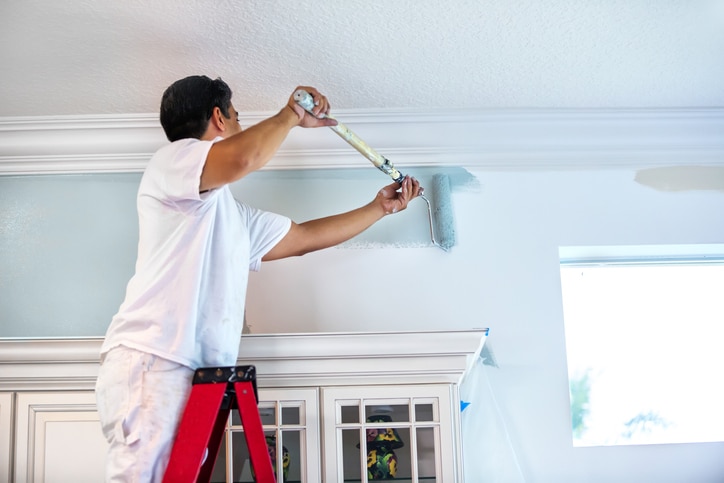
You’re standing in the paint aisle, primer in hand, wondering if one can is enough—or if you’ll be making another trip. If you’re planning interior house painting in Airdrie, AB, this question probably crossed your mind more than once. The truth is, getting primer right can make or break your paint job. So how many coats of primer do you actually need? The answer depends on what’s already on your walls and what you’re trying to cover.
Key Takeaways
- One coat of primer works for most walls that are already in good shape.
- Two coats are needed when covering dark colors, stains, or patched areas.
- Three coats are rare but necessary for extreme color changes or heavy stain blocking.
- Using the right amount of primer saves you money on topcoat paint.
- Skipping primer often leads to uneven color and poor paint adhesion.
Primer 101: What It Does and Why It Matters
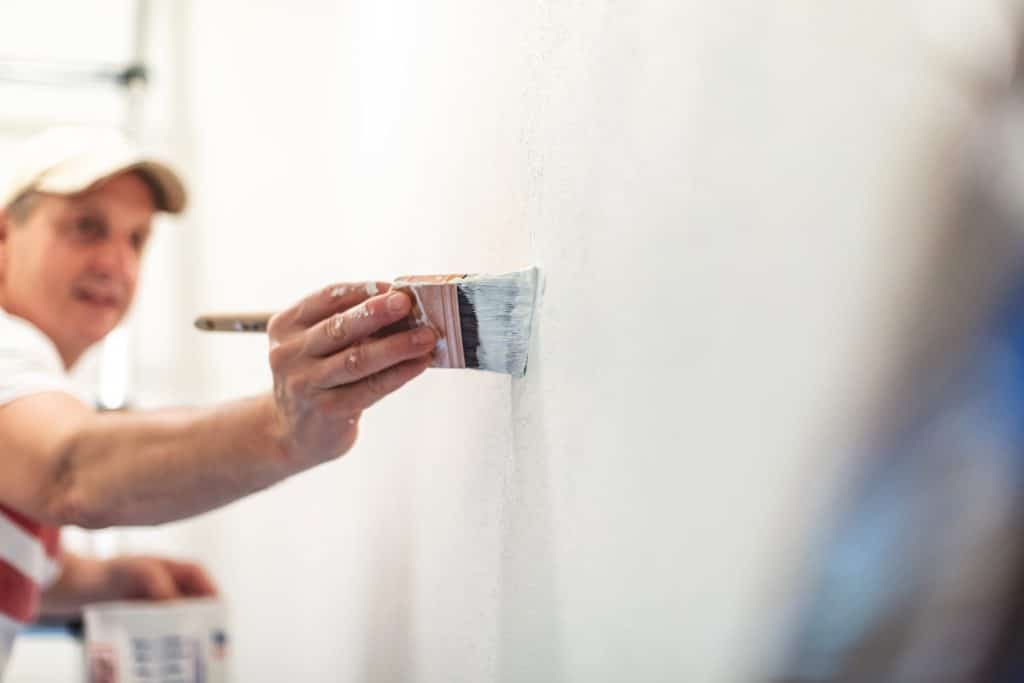
Primer is a preparatory coating applied before paint. It creates a uniform surface that helps paint stick better and last longer. Think of it as the foundation of your paint job—without it, even the best paint can peel, fade, or look blotchy.
When you apply primer before painting interior walls, you’re doing a few things at once. You’re sealing porous surfaces like new drywall. You’re blocking stains from bleeding through. And you’re creating a neutral base so your topcoat color looks true.
Primer for interior painting comes in different types: water-based, oil-based, and shellac-based. Each has its purpose. Water-based primers work great for general prep. Oil-based primers handle tough stains. Shellac primers block the worst odors and discoloration. Which one you use matters just as much as how many coats you apply.
Can You Skip Primer Altogether?
Here’s where homeowners often cut corners. You might think you can skip primer and save time. But that shortcut usually costs more in the long run.
Primer serves three main purposes:
-
Adhesion
Paint grips primer better than bare surfaces.
-
Coverage
Primer hides imperfections and old colors more efficiently than paint alone.
-
Protection
Primer seals stains, tannins, and moisture before they ruin your finish.
If you’re doing interior house painting in Airdrie, AB, where temperature swings can stress your walls, proper priming helps your paint job hold up through our cold winters and warm summers.
A professional house painter will tell you that skipping primer often means applying extra coats of paint—which costs more than the primer would have. When you apply primer before painting interior walls, you use less topcoat paint because the primer does the heavy lifting for coverage.
That said, not every situation requires primer. If you’re painting over a similar color on walls that are clean, undamaged, and previously painted with latex paint, you might get away without it. But that’s the exception, not the rule.
The Real Answer: How Many Coats of Primer for Your Walls
Now for the main question: how many coats of primer are enough? The answer varies based on your specific situation. Here are the signs that tell you what you need.
One Coat Gets the Job Done
One coat handles most standard situations. You can stick with a single coat when:
- The existing paint is in good condition with no peeling or flaking.
- You're painting a similar or lighter color over the existing shade.
- The walls have no visible stains, water damage, or repairs.
- The surface was previously painted with latex paint.
For homeowners doing interior house painting in Airdrie, AB on walls that are already well-maintained, one coat of primer for interior painting should do the job. Just make sure you apply it evenly and let it dry completely before adding your topcoat.
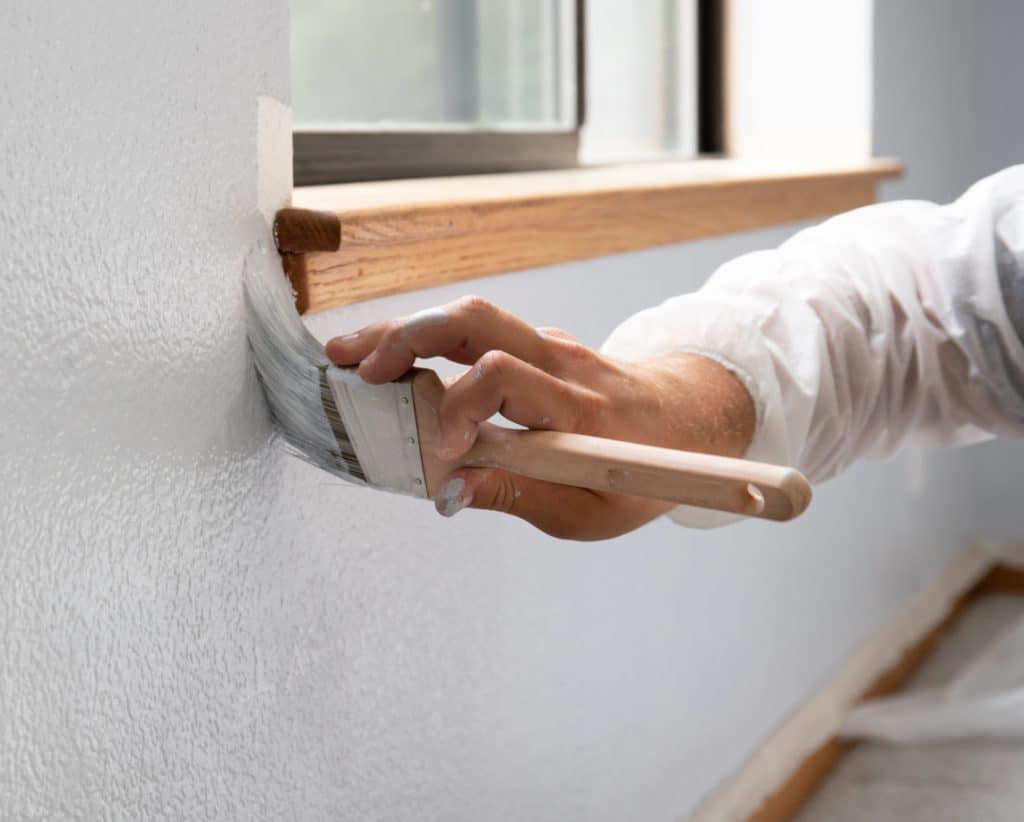
If you’re wondering how to apply primer before painting, keep it simple: use a roller for large areas and a brush for edges. Apply thin, even coats rather than thick globs. Thick primer can crack or take forever to dry.
Two Coats Are Your Best Bet
Do I need two coats of primer? In many cases, yes. Two coats become necessary when:
- You're covering a dramatically darker color with a lighter shade.
- The walls have stains from smoke, water, or grease.
- You've patched holes, cracks, or dents with spackling compound.
- The surface is bare drywall that's never been painted.
- You're switching from oil-based paint to latex (or vice versa).
Any professional house painter will confirm that bare drywall absorbs primer unevenly. The first coat gets sucked into the surface. The second coat actually builds the barrier you need for proper paint adhesion.
When asking do I need two coats of primer for stain blocking, the answer is almost always yes. Stains like nicotine, marker, or water spots can bleed through a single coat. Two coats lock them in place.
If you’re tackling interior house painting in Airdrie, AB in an older home, expect to use at least two coats. Older walls often have multiple layers of paint, hidden stains, or repairs that need extra coverage.
Three Coats for Extreme Situations
Three coats of primer are rare. Most homeowners never need to go this far. But there are situations where three coats make sense:
- You're painting bright white over extremely dark colors like black, deep red, or navy.
- The surface has severe staining that bleeds through two coats.
- You're working with raw wood that's particularly porous or tannic.
A professional house painter might recommend three coats when dealing with wood paneling or cabinets that have heavy tannin bleed. Some woods release tannins that turn primer yellow or brown. In those cases, even two coats of shellac primer might not be enough.
Three coats also help when you’re going from a textured wall to a smooth finish. The extra primer fills in texture better and creates a more uniform surface for your topcoat.
Tips for Applying Primer Like a Pro
How to apply primer before painting matters as much as how many coats you use. Here are a few tips that save you time and frustration:
- Sand between coats if the primer feels rough after drying.
- Use a quality roller cover to avoid leaving fuzz in your finish.
- Don't thin primer too much—it reduces coverage and stain-blocking power.
- Wait for full drying time before adding another coat or your topcoat.
For primer for interior painting, check the label for dry times. Water-based primers usually dry in an hour or two. Oil-based and shellac primers can take longer. Rushing the process leads to bubbling, peeling, or poor adhesion.
If you’re unsure about primer before painting interior walls in your home, a professional house painter can assess your surfaces and tell you exactly what you need. That small investment in expertise often saves money on wasted materials and do-overs.
Ready to Get Your Painting Project Started?
Getting the primer right takes time, patience, and the right products for your walls. If you’re planning interior house painting in Airdrie, AB and want results that last, Neighbourhood Painters can help. Our team knows how many coats of primer your walls need—and we get it done right the first time.
Call (403) 978-2257 today for a free estimate. We’ll walk through your project, answer your questions, and show you why proper prep makes all the difference.